Same fuel family, very different chores
Both stoves burn wood. A log stove burns it as splits you stack by the fence; a pellet stove burns it ground, dried and pressed into little cylinders that come in forty-pound bags. That one difference ripples through everything else: what the stove needs from you, what wears out, who you call when it stops, and what the yearly service looks like.
We look after both kinds across Norwalk and the cities around it, and owners who are choosing between them usually ask the same thing: which one is less trouble to keep running? The honest answer is that they are trouble in different places. This post sets the two side by side so you can pick the kind of trouble you would rather live with.
Fuel: the woodpile versus the bag
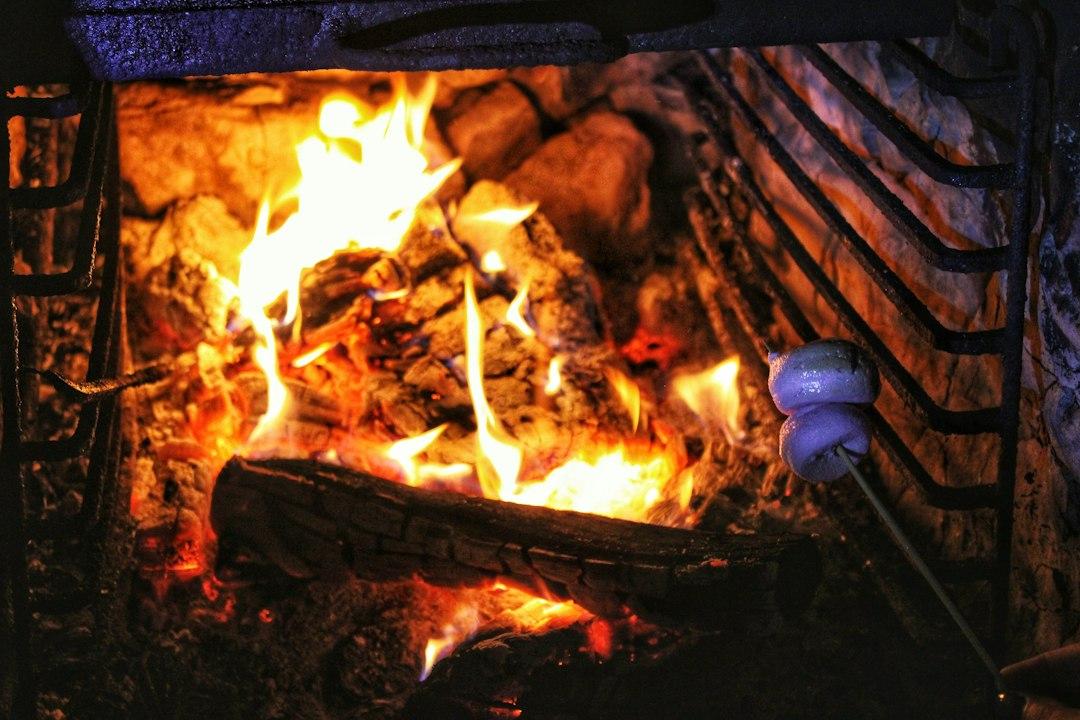
- Log stove. Wants wood split and dried for most of a year, stored off the ground and out of the rain. Green or wet wood is the root of most log stove problems: smoky starts, black glass, fast creosote. Around here the wood usually comes by the half cord or cord from a yard, and quality varies from load to load.
- Pellet stove. Wants dry pellets with low ash. The bags are clean and easy to stack in a garage, but damp ruins them, and a cheap high-ash brand leaves hard clinker in the burn pot that stops the stove lighting.
Either way, the fuel is half the service call. A log stove fed wet oak and a pellet stove fed swollen pellets will both be on our list by February.
Cleaning: soot up high versus ash down low
- Log stove. The daily chore is light: shovel out ash when the bed gets deep. The serious cleaning is up the flue, where creosote collects. That means a sweep, usually once a season for a stove that runs most nights, and our sweep starts from $430.
- Pellet stove. The daily or weekly chore is heavier: scrape the burn pot, empty the ash pan, brush the glass. Then once or twice a season the stove needs a full clean of the parts you cannot easily reach: heat exchanger tubes, ash traps, the exhaust blower and the vent pipe. Pellet vents are short and narrow and they fill with fine ash, not tar.
What wears out
| Part | Log stove | Pellet stove |
|---|---|---|
| Door and glass seals | Yes, rope flattens with heat | Yes, and a leak upsets the air balance |
| Firebrick or burn pot | Firebrick cracks over the years | Burn pot holes clog, pot can warp |
| Baffle or exchanger | Baffle board or tubes sag and burn | Exchanger tubes need regular scraping |
| Moving parts | Air slider, maybe a catalytic combustor | Feed screw motor, igniter, two blowers |
| Electronics | None on most models | Control board, temperature and vacuum switches |
The log stove has fewer parts and almost no electrics, so when it fails, it fails slowly and visibly. The pellet stove has more parts that can quit without warning, but each one is a defined swap once someone has found it.
When the power goes out
Most log stoves keep burning in a blackout. They draft on heat alone. Most pellet stoves stop, because the feed screw, the igniter and the blowers all run on house current, and the stove shuts down when they lose it. Some owners run theirs off a battery backup. If heat during an outage matters to you, this point may decide the whole question.
Venting
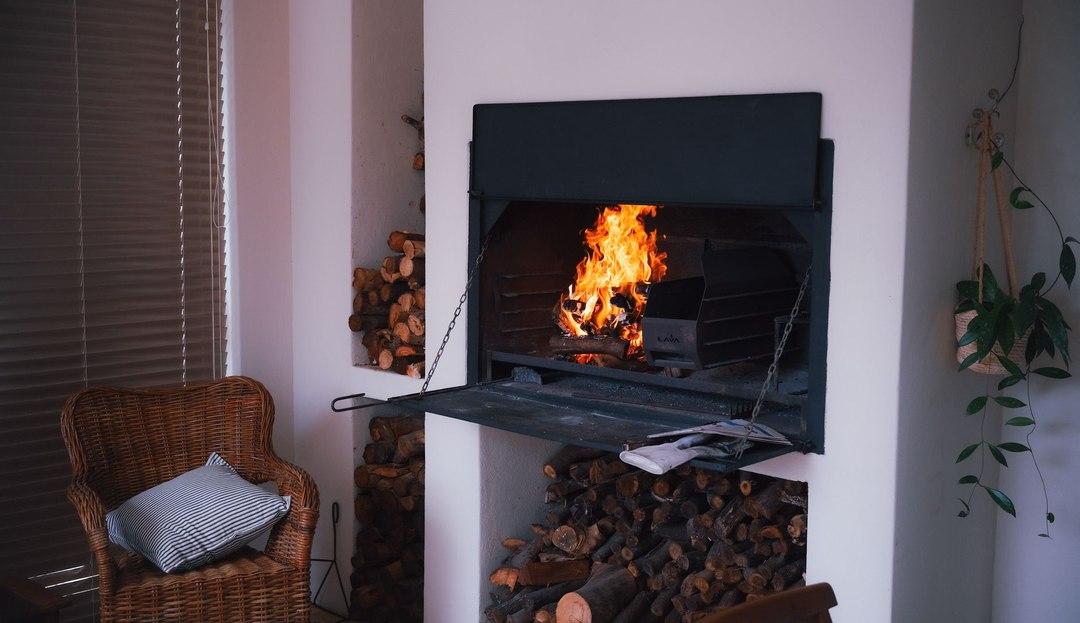
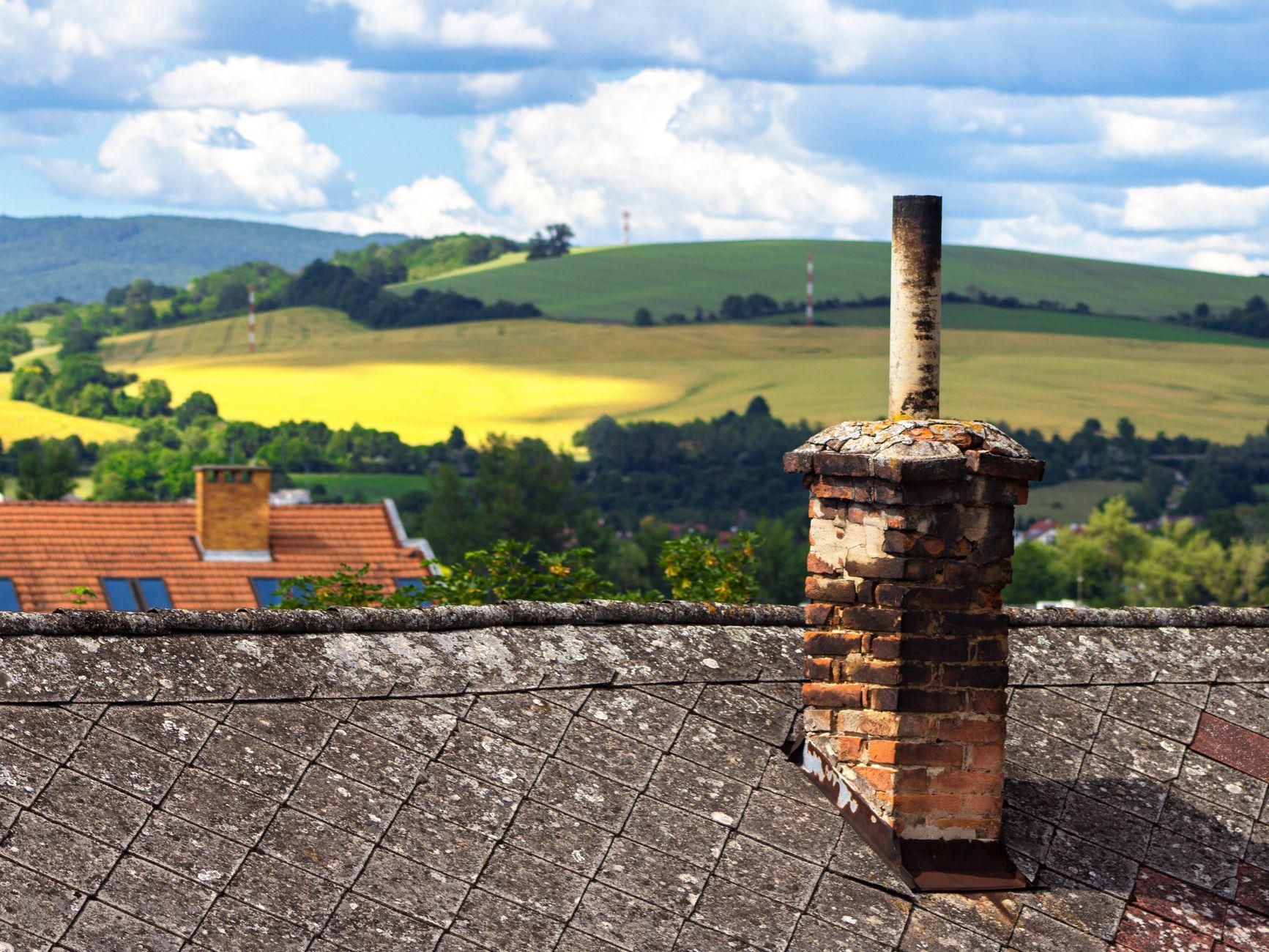
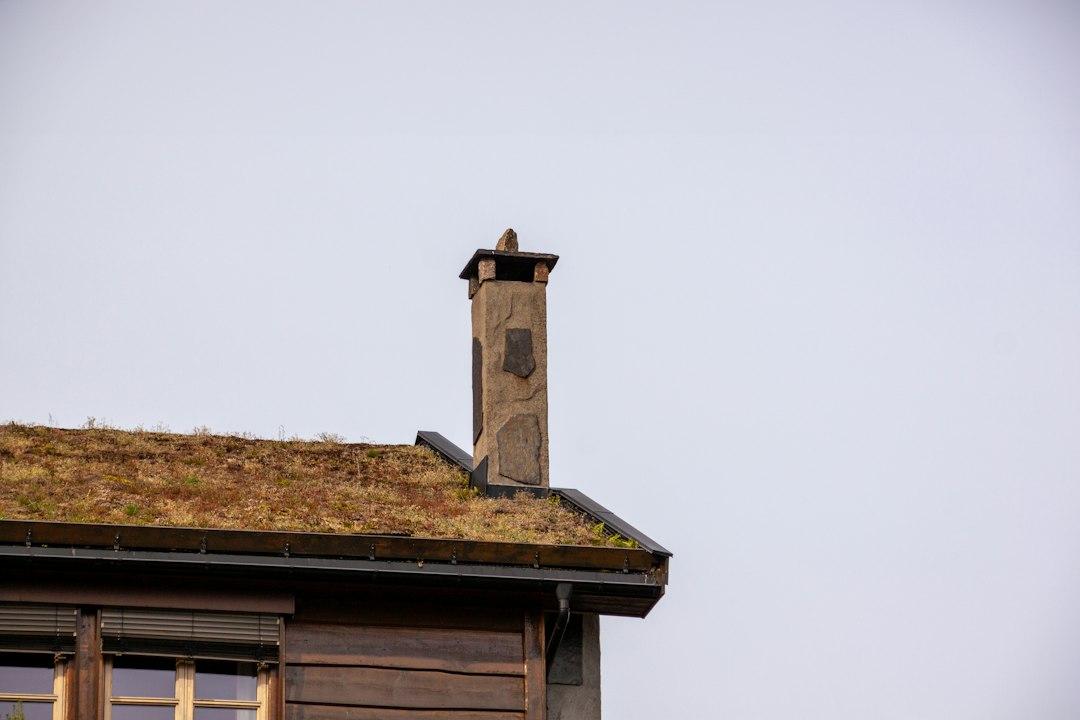
A log stove needs a full-height flue rated for solid fuel: either a listed metal chimney through the roof, or a stainless liner up an existing masonry chimney. It drafts because hot gas rises.
A pellet stove pushes its exhaust out with a blower, so it can vent through a short pipe out a wall. That makes installation simpler in a house with no chimney. It also means the joints in that pipe are under pressure, and a loose one leaks fumes into the room, so they have to stay sealed.
The yearly service, side by side
- Log stove: a sweep of the flue and connector, a look at the cap and crown, a check of the door seal, firebrick and baffle. Most years nothing more.
- Pellet stove: a full strip-down clean of the exhaust path, a test of the igniter, blowers, feed motor and safety switches, and a run of the vent to the outside.
The pellet service usually takes longer per visit. The log stove may need a camera inspection now and then on top, a Level 2 at $405, when there has been a chimney fire, when tile pieces show up, or when the stove is replaced.
Neither stove has a set repair price on our list, because it depends on the part and the make. You get a written figure after we have opened the stove, before any parts are ordered.
Tell us which stove you have, or which one you are thinking of, and we will set up a service visit or talk through what the venting would need.
Burn days and the air district
Norwalk sits under the South Coast AQMD. On winter days when the district restricts burning, its Rule 445 limits the use of wood-burning heaters, and how that applies to your stove depends on the type of device and your circumstances. Check the district's current rules for your stove before you count on it for every cold night. If you are buying, ask which kinds of devices the rule allows in your situation.
Which is less trouble?
If you like handling wood, have room to store a season's worth, and want heat when the power is out, a log stove asks less of a technician and more of you. If you want thermostat-style heat, a clean bag of fuel and you are fine with a stove that needs electricity and a skilled service once or twice a season, the pellet stove suits.
Either way, both run better with a tech who knows them. Our wood stove repair and pellet stove repair pages explain those visits, hiring for pellet stove work lists the questions to ask, and the chimney sweep page covers the flue. We serve Norwalk, Cerritos, South Gate and nearby.
Whichever stove heats your house, the contact page is where to get its yearly service on our calendar.
Rather Have Someone Look at Yours?
Reading only gets you so far. Wilder brushes the flue, grades what comes down and goes over the stove or hearth with you. Trucks leave Norwalk for Cerritos, La Mirada, Lynwood, South Gate, Montebello and the towns around them.